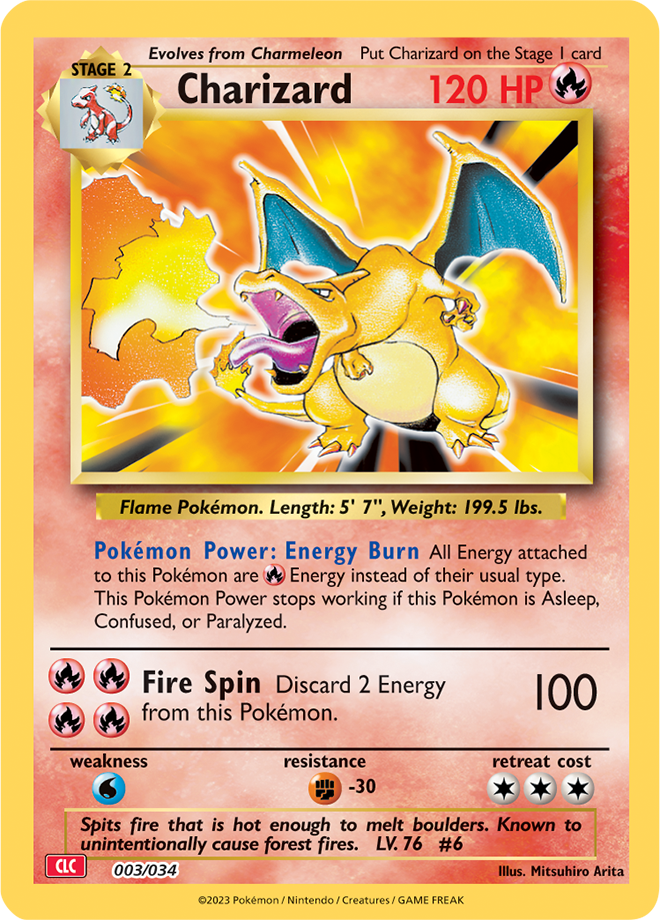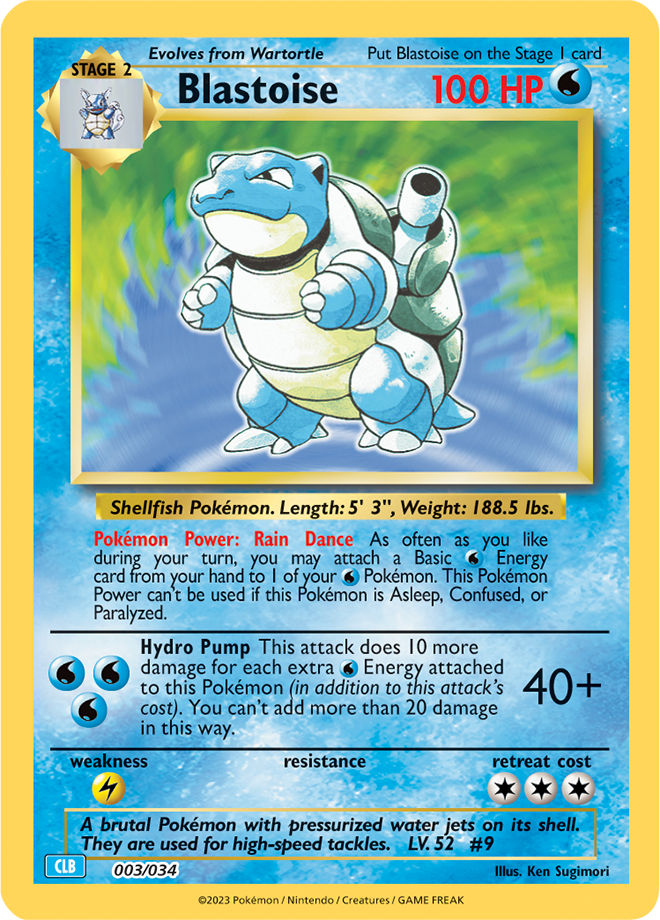
The Base Set Blastoise #2 is one of the most iconic vintage holofoil cards in Pokémon TCG history. Illustrated by Ken Sugimori and released in 1999 by Wizards of the Coast, this classic Water-type starter remains a cornerstone for vintage collectors and investors alike.
Whether you are grading a raw copy or tracking high-grade slab auctions on PSA, this guide breaks down current market values, print variations, and critical grading factors for Blastoise #2.
Blastoise Base Set Market Price Breakdown
Below is the current market breakdown for raw and graded copies based on recent secondary market transactions:
| Card Version / Variant | Condition / Grade | Estimated Value | Rarity Status |
|---|---|---|---|
| Blastoise 1st Edition Shadowless #2 | PSA 10 (Gem Mint) | $30,000 - $45,000 | Ultra Rare |
| Blastoise Shadowless Base Set #2 | PSA 9 (Mint) | $1,200 - $1,800 | Rare Holo |
| Blastoise Unlimited Base Set #2 | Raw / Ungraded (NM) | $70 - $120 | Rare Holo |
1st Edition vs. Shadowless vs. Unlimited Variants
Determining the exact print run of your Blastoise card is the most crucial step in assessing its true market value:
- 1st Edition Holo: Features the Edition 1 stamp on the bottom-left of the art frame and lacks a 3D drop shadow on the right side. This edition holds the highest market value.
- Shadowless Holo: Missing the 3D right-side border shadow but lacks the 1st Edition stamp. Highly sought after by vintage set completionists.
- Unlimited Holo: Features the standard 3D drop shadow on the right side of the artwork frame. The most common print variant on the market.
Key Condition Factors That Impact Value
Blastoise #2 is particularly sensitive to wear, which directly dictates whether a copy scores a mid-grade slab or a valuable PSA 9/10:
- Holo Water Background Scratches: The dark blue holographic foil easily highlights fine scratches, scuffs, and print lines under direct light.
- Stage 2 Frame Alignment & Centering: Front margins must be well-balanced to achieve top-tier grading marks.
- Back Edge Silvering: Dark blue vintage card backs frequently show white edge-wear and corner chipping.
The 1999 Meta Impact: Why Blastoise #2 Ruled the Early Game
Back in 1999 when Wizards of the Coast first launched the Pokémon Trading Card Game, Blastoise #2 wasn’t just a prized collector’s item—it was an absolute powerhouse on the tabletop. Featuring the iconic “Hydro Pump” attack, which scaled in damage based on attached Water Energy, Blastoise paired synergistically with Trainer cards like Blastoise’s own “Rain Dance” Pokémon Power. This allowed players to flood their Pokémon with energy cards in a single turn, cementing Blastoise as a competitive meta tyrant alongside Charizard and Venusaur.
Protecting Vintage Holofoils: Advanced Storage Tips
Unlike common non-holo cards, vintage Base Set holofoils like Blastoise are highly susceptible to environmental damage, scratching, and foil curling:
- Double Sleeving with Perfect Fits: Always slide your Blastoise into a tight-fitting inner sleeve opening from the top or bottom, then place it inside a matte outer sleeve or semi-rigid holder (like a Cardboard Gold PSA submission card saver) to seal out ambient moisture.
- Combating Foil Curling (Warping): Holographic card stock reacts heavily to relative humidity changes, causing the card to bend. Store your valuable holos in a climate-controlled room alongside silica gel packets to maintain a stable, dry environment.
- Avoiding Direct UV Exposure: Sunlight and intense halogen track lighting will bleach the magenta and blue ink tones on the card face, drastically reducing its eye appeal and market grading value over time.
Understanding Blastoise Market Liquidity and Investor Outlook
Because Blastoise is universally recognized as one of the original “Big Three” starter evolutions, its liquidity in secondary markets is exceptionally high. Unlike modern ultra-modern sets where print runs are astronomical, vintage 1999 WotC print runs have a finite supply. As nostalgic collectors from the 90s gain higher purchasing power, high-grade PSA 9 and PSA 10 Blastoise copies continue to perform as stellar long-term alternative assets.
How to Spot Fake or Counterfeit Base Set Blastoise Cards
As the value of vintage Pokémon cards skyrockets, counterfeiters have flooded the secondary market with fake proxies. When buying or trading for a raw Blastoise #2, keep these professional authentication checks in mind:
- The Light Test (The Flashlight Check): Authentic 1999 WotC card stock features a black opaque middle layer designed to block light. If you shine a smartphone flashlight directly behind a genuine card, very little to no light should pass through. If it glows brightly or shows translucent layers, it’s a counterfeit.
- Rosette Pattern Under Magnification: Using a 30x jeweler’s loupe, examine the color borders and artwork. Real offset-printed cards display distinct multi-colored ink dots (rosettes), whereas fake inkjet-printed proxies will show solid pixelated color blocks or blurry lines.
- Card Back Details: Look closely at the blue swirl patterns on the back of the card. Counterfeits often have washed-out blue tones, blurry transitions between dark and light blue, or a muddy Pokéball symbol with incorrect proportions.
Investment Outlook: Will Blastoise #2 Continue to Gain Value?
Market analysts and seasoned TCG investors view vintage Base Set holos through the lens of scarcity and generational wealth transfer. As Millennials and older Gen Z collectors reach their prime earning years, nostalgia spending on childhood icons like Blastoise remains exceptionally resilient. While modern sets suffer from massive over-printing and hyper-saturation, a clean, well-preserved vintage Blastoise represents a scarce piece of pop-culture history that cannot be replicated.
The Artistic Legacy: Ken Sugimori and the Iconic Blastoise Artwork
The watercolor-style artwork featured on the Base Set Blastoise #2 was illustrated by legendary Pokémon art director Ken Sugimori. Unlike modern digital card illustrations that feature 3D models and explosive particle effects, 1999 WotC cards relied on Sugimori’s distinct, minimalist watercolor aesthetic. This classic Ken Sugimori style remains the definitive gold standard for vintage Pokémon art, triggering an immense wave of pure 90s nostalgia that modern cards simply cannot replicate.
Base Set 1st Edition vs. Unlimited: Print Run Distinctions
Understanding the exact print run hierarchy is critical for any serious Pokémon TCG portfolio builder:
- 1st Edition Run (Shadowless & Stamp): Printed in extremely limited quantities in late 1999, featuring the black 1st Edition stamp on the left side of the artwork frame and the characteristic shadowless border.
- Shadowless Unlimited Run: Printed after the 1st Edition run but before the shadow was added to the right side of the art box. These cards are notably scarcer than standard unlimited prints.
- Standard Unlimited Run: The mass-market print run that flooded retail shelves through 2000 and 2001, featuring the iconic drop shadow on the right side of the illustration frame.
Why Blastoise Remains a Cornerstone of Any Vintage Portfolio
In a hobby driven by shifting trends and hype cycles, the original Kanto starter Pokémon remain evergreen financial anchors. While newer generations introduce hundreds of species, none carry the cultural weight of the original 151. Owning a pristine Blastoise #2 is akin to holding a piece of late-20th-century pop culture history—guaranteeing its place at the top of collector wishlists for decades to come.
Frequently Asked Questions (FAQ)
Is Base Set Blastoise #2 as valuable as Charizard #4?
While Charizard commands the highest price overall, 1st Edition and Shadowless Blastoise copies still command thousands of dollars in high PSA grades.
What is a Stage 2 “Error” Blastoise?
Some early 1st Edition prints feature a minor printing error missing the word “Stage” in the top right corner, creating an ultra-rare variant among specialized collectors.